8285111610

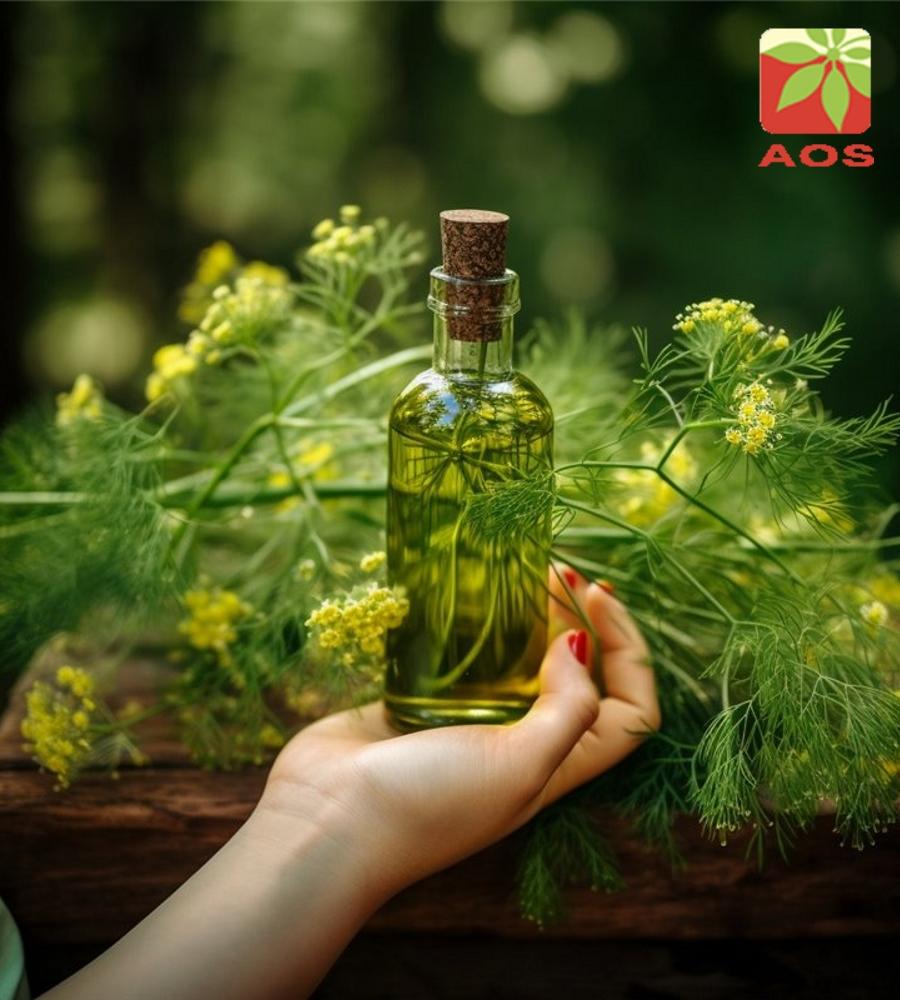
Dill is a plant that yields both a seed-like fruit and leafy growth. The fruit is called dill seed or dill, and the leafy growth is called dill weed. This plant is elevated, having a height of 3 ft, and it has feathery leaves. The color of its flower can be white or yellow. Dill oil is an essential oil extracted from the seeds or leaves/stems (dill weed) of the dill plant when it is moderately dried or unsullied and the steam distillation method is used for it. Its botanical name is Anethum sowa, which is a herb and it is found in southwest Asia.
Dill essential oil is known for its grass-like smell and its pale yellow color, with a watery viscosity. It has a strong pungent flavor. This oil has been used for many years for its medicinal properties. It was used for the first time as a painkiller in 1500 BC by the Egyptians. Then it was used by the Romans and Greeks to settle their body and minds. If we place the fends of this herb upon the eyelids, then it can result in serene sleep.
Dill oil is not only beneficial for health, but it is also widely used in cooking, particularly in Mediterranean and Middle Eastern cuisines. A few drops of dill oil can be used in place of fresh dill or dill seeds to enhance the flavor of dishes. It pairs well with pickles, salads, seafood, and yogurt-based dishes.
However, it’s important to note that dill oil is potent and should be used sparingly when cooking. Overuse may result in a bitter flavor, which could overpower the dish.
Some people even believe that dill can be used to control weather, that it could part thunderclouds. But its major use is in medical field.
Dill Oil as Per IP, BP Grade (Indian and British Pharmacopoeia)
Dill Oil as per IP (Indian Pharmacopoeia) & BP (British Pharmacopoeia) Grade: High-quality standard for medicinal and therapeutic applications.